Your online business is going great! Congrats, this is awesome. Looking at the numbers, you can expect to see more clients in the next months. Just keep in mind that as your website or application grows, so will its demands, and shared hosting may no longer be sufficient. It is a convenient solution, but it has its limitations, especially when it comes to handling already massive traffic. This is where dedicated hosting comes into play. It is a premium solution that gives you complete control over an entire server. However, is it the right time for you to make the switch?
Whether you are running a fast-growing e-commerce store, managing high-traffic business websites, or developing resource-intensive applications, this guide is for you. Knowing exactly when to move to dedicated hosting can make the difference between seamless performance and frustrating downtime. Read on to discover the signs it is time to upgrade and why timing matters more than you think.
What is dedicated hosting?
You’re probably currently using shared hosting, which means you are sharing the same server with many other clients. All the resources are divided between the clients, which makes it cheaper for everybody, but you also receive a lot less of everything.
Unlike shared or Virtual Private Server (VPS) hosting, where multiple users split the same server’s resources (storage, RAM, CPU, bandwidth), dedicated hosting gives you complete control over every aspect of the server. You decide how it runs, its operating system (OS), which software it uses, and how it is secured. It’s tailor-made for businesses that demand power, flexibility, and top-tier reliability. This hosting type is ideal for high-traffic websites, enterprise-level applications, data-heavy platforms, or developers who need custom server configurations. Whether you are an e-commerce owner tired of slow load times or an IT pro building a custom backend system, dedicated hosting offers the ultimate environment for performance, scalability, and peace of mind.
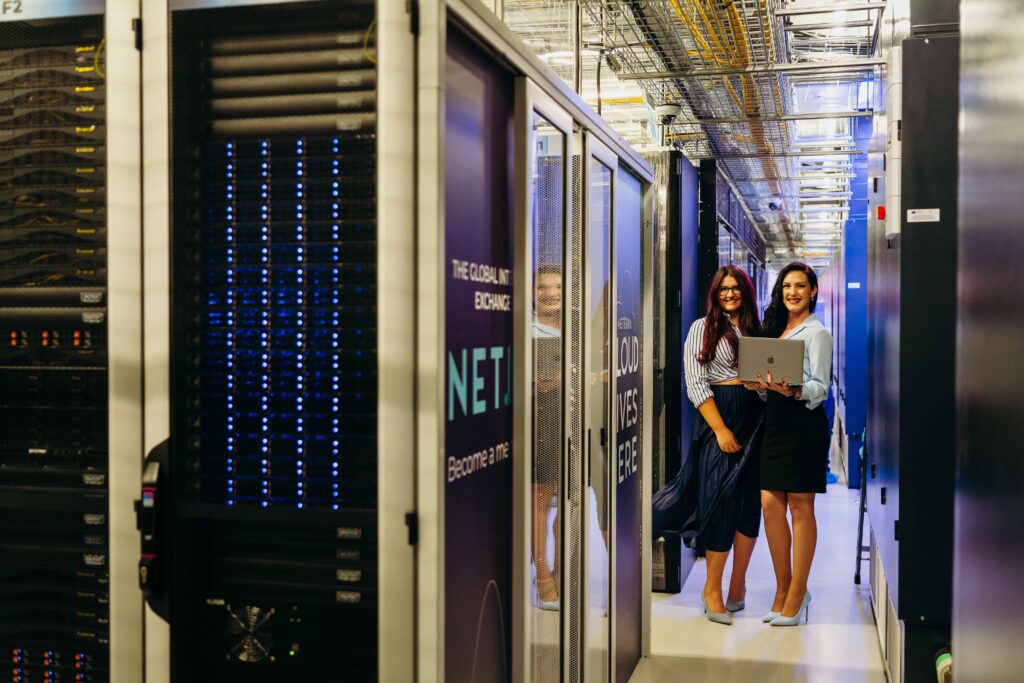
The dedicated server is a device, rented exclusively for your business (website or application); a complete computer (physical server) and all its resources just for your business needs. Typically, companies like Neterra.cloud offer dedicated servers which are located within a data center with extremely fast internet speeds so you don’t need to worry about device maintenance or the electric bills.
Check out the differences between VPS and dedicated hosting or between VPS and cloud hosting.
Common hosting types people migrate from: Is it time to move up?
Before jumping into dedicated hosting, it is essential to understand where most people are coming from. Businesses rarely start with a dedicated server. They usually begin with more affordable, beginner-friendly solutions and upgrade as their needs grow. Let’s break down the most common hosting types users move away from when it is time for more power, control, and reliability.
Shared hosting
It is the budget-friendly choice for starting a business. It is the most convenient hosting type until it is not. Its low cost, easy setup, and management make it ideal for small websites. However, you are sharing resources with dozens or even hundreds of websites. Then, your business performance can suffer due to traffic spikes on other sites, and the control and customization are limited.
When a website grows, shared hosting will show that it can’t keep up. Slower loading speeds, security risks, and a lack of server control may make it unsuitable for high-traffic or resource-intensive platforms like e-commerce stores or dynamic web apps.
Virtual private server (VPS) hosting
With VPS, your business will have a dedicated portion of server resources, greater control and flexibility than shared hosting. It is a cost-effective choice for mid-sized websites or applications. On the other hand, your website still shares a physical server with others; its performance won’t be affected, and managing it requires some technical knowledge. Upgrading might be limited, so you should check this topic in advance.
When is it not enough? When your application demands consistent high performance, better security, or advanced configurations that stretch a VPS’s capabilities. If that happens, it is time to go dedicated.
Cloud hosting
This hosting type is flexible, highly scalable, offers pay-as-you-go pricing, and excellent uptime and redundancy. Among its downsides, you will have limited root-level control (depending on the provider), potentially complex pricing models, and you’ll still share physical infrastructure.
Cloud hosting is great for rapid scaling and handling traffic spikes, but if you need complete control over the server environment, strict compliance, or consistent resource allocation, a dedicated server gives you that control.
Check out what you should know before migrating to the cloud, and what cloud mistakes you should avoid.
Managed WordPress
It provides automatic updates, backups, and security. It is hassle-free for non-technical users. However, it is limited to one platform or CMS and is not suitable for complex or multi-site environments. It offers little room for customization, so if you are growing beyond a blog or simple CMS-based site and need to run custom code, apps, or services, managed hosting can quickly become a roadblock, pointing out the need to jump to a dedicated server.
Signs it is time to upgrade to dedicated hosting
Let’s be crystal clear: Not every website or business needs a dedicated server, but when it’s time, ignoring the signs can cost you performance, security, and customers. Whether you are running a high-traffic online store, a complex application, or a growing digital platform, here are the clearest indicators that it is time to make the move to dedicated hosting.
- Your website is experiencing high traffic. If your site is attracting thousands of visitors daily (or even hourly), congrats! However, be aware that traditional shared or VPS hosting might buckle under the pressure. High traffic requires guaranteed bandwidth and consistent server resources, something only a dedicated server can provide. Sluggish performance during peak hours? That is your cue to upgrade.
- Security and compliance requirements are non-negotiable. Industries handling sensitive data (like healthcare or finance) must comply with regulations like HIPAA, GDPR, or PCI-DSS. Dedicated hosting gives you full control over your security stack, making it easier to implement strict data protection measures, custom firewalls, and isolated environments essential for compliance.
- You need better performance and faster load times. Speed is not just a luxury! It is essential for user experience and SEO. Shared and VPS environments can struggle to deliver consistent speed, especially during traffic spikes or heavy processing. A dedicated server ensures your resources are not diluted, allowing you to provide fast load times around the clock.
- You are running resource-heavy applications. Large databases, multimedia content, machine learning models, or custom enterprise software consume significant CPU, memory, and disk I/O. Dedicated hosting provides the robust infrastructure needed to handle this load without compromising performance or crashing your site entirely.
- You need full server control or root access. Some developers and businesses need complete administrative control to install custom software, tweak server settings, or optimize performance at the OS level. If you use shared and managed environments, you know that they rarely offer this flexibility. With dedicated hosting, you gain full root access and the freedom to configure your server exactly as you need.
- Frequent downtimes or hosting limitations. Downtime not only frustrates users, but it also harms SEO rankings and erodes trust. If your current host can’t guarantee uptime or restricts your server usage with throttling, these are red flags. Dedicated servers offer unmatched stability and guaranteed uptime SLAs, so you don’t see more of those frustrating “server not available” messages anymore.
- You are expanding your business or product offerings. New services, markets, or digital products mean more backend complexity. Whether you are launching a new app, integrating real-time analytics, or expanding into global markets, dedicated hosting gives you the scalability and customization needed to grow without compromise.
- Your hosting plan no longer supports your goals. Sometimes, the issue is not technical. It is strategic. If your current host limits the software you can install, the number of domains you can add, or the amount of traffic you can handle, it is holding your business back. A dedicated server puts the power and future fully in your hands.
- You manage multiple high-value websites or clients. Agencies and developers that manage multiple client sites often require isolated environments, dedicated IPs, and strong performance guarantees. Instead of juggling multiple shared accounts, a dedicated server can streamline your workflow while enhancing reliability and reputation.
10 powerful benefits of switching to dedicated hosting
Upgrading to dedicated hosting is not just a technical step; it is a game-changer for your business, website, or app. Whether you are a growing entrepreneur, developer, or IT pro, dedicated hosting offers a suite of benefits that turbocharge your online presence and give you peace of mind.
- Guaranteed server resources. Unlike shared environments where CPU, RAM, and bandwidth are sliced among many users, dedicated hosting ensures all server resources are yours, so there are no compromises to worry about. This means consistent performance and no slowdowns caused by neighbors hogging power.
- Higher reliability and performance. With your own dedicated machine, you avoid the bottlenecks of overcrowded servers. Expect faster page loads, seamless database queries, and much faster response times that keep visitors engaged and reduce bounce rates.
- Greater security and privacy. Dedicated hosting offers a fortress of protection. Your data stays isolated from other users, minimizing risks of cross-contamination or attacks. Plus, you can implement custom firewalls, encryption, and compliance protocols to meet industry standards.
- Full customization and control. Enjoy root access and the freedom to install any software, tweak settings, and optimize configurations exactly to your needs. This flexibility empowers you to tailor your server environment for peak efficiency and innovation.
- Better support for business-critical applications. Mission-critical apps demand robust infrastructure. Dedicated hosting provides the stability and performance needed for complex databases, ERP systems, and large-scale e-commerce platforms, ensuring they run smoothly 24/7.
- Improved SEO and user experience. Search engines reward fast and reliable websites. Dedicated hosting reduces latency and downtime, enhancing your site’s SEO rankings and delivering a superior experience that keeps visitors coming back.
- Scalability for growing businesses. Dedicated servers can be upgraded with additional RAM, storage, or processing power to match your growth trajectory. This flexibility means your hosting environment evolves with your business, not against it.
- Dedicated IP addresses. Having a unique IP address improves your site’s credibility, reduces the risk of being blacklisted (common with shared IPs), and supports advanced features like SSL certificates for secure transactions.
- Compliance made easier. For businesses handling sensitive customer data, dedicated hosting simplifies meeting regulatory requirements such as HIPAA, GDPR, or PCI-DSS by allowing custom security configurations and strict access controls.
- Enhanced backup and disaster recovery options. With complete control over your environment, you can implement robust, backup strategies and disaster recovery plans tailored to your specific needs, ensuring your data is safe, secure, and quickly recoverable if disaster strikes.
Drawbacks and considerations before upgrading to dedicated hosting
Undoubtedly, dedicated hosting brings power, control, and scalability to the table, but it is not a one-size-fits-all solution. Before you dive into the world of dedicated servers, weigh the potential downsides and ensure they align with your actual needs and resources.
- Higher cost. Dedicated hosting is not cheap. You pay for an entire physical server, which means significantly higher monthly fees compared to shared or VPS hosting. For small businesses or personal projects, this investment may not outweigh the actual benefit, especially if you are not yet utilizing the server to its full potential.
- Technical knowledge or managed support is required. Dedicated hosting gives you root access, which also means you are responsible for server configuration, software updates, security patches, and performance tuning, unless you opt for a managed plan, which costs even more.
- You are responsible for security (if unmanaged). With full control comes full responsibility. Unless you opt for a managed plan, you will need to implement your firewalls, malware protection, TLS certificates, and other critical security layers. A misconfigured server can expose you to serious vulnerabilities.
- Overkill for small or low-traffic websites. If your website receives only a few hundred visitors a day, or your application is lightweight and simple, dedicated hosting might be excessive. You may be paying for far more power than you need. Allocate those resources elsewhere in your business.
- Longer setup time. Unlike shared hosting, which can go live in minutes, dedicated servers may take longer to provision and configure. This is especially true if you need specific hardware, OS, or custom software setups. If speed-to-launch is critical, that delay could be a drawback.
- Hardware failures are on you or your host. Unlike cloud hosting, which relies on a distributed infrastructure and redundancy, dedicated hosting is tied to one physical machine. If a hardware component fails (SSD drives, RAM, power supply), your website or app could be offline until it is replaced. Some hosts offer hardware replacement SLAs, but there is still potential downtime.
- Scalability is not as instant as cloud hosting. Scaling a dedicated server usually involves physical upgrades, like more RAM, a larger drive, and a new processor. That means downtime and delay. If you are in a fast-growth phase and need rapid, flexible scaling, the cloud might be a better fit.
- Higher energy and maintenance costs (for on-premises hosting). If you are hosting a dedicated server in-house (rather than via a hosting provider), be prepared for significant operational overhead: electricity, cooling, physical space, and IT personnel to manage it all. This can quickly eat into your budget.
- Limited geographic redundancy. Most dedicated servers are housed in a single data center. Unlike cloud platforms that replicate your data across multiple regions for failover, a dedicated server could put all your eggs in one geographic basket, posing a risk if a natural disaster or outage occurs in that area.
Conclusion
A dedicated server is the logical next step for a growing online business. It costs more, but it easily outperforms the shared hosting plans. Think about the previous points and where your business is going. Plan it promptly to avoid downtime. Check out our offers and feel free to contact us at contact@neterra.net. We can help you with a free consultation tailored to your needs.
Remember, dedicated hosting is not just an upgrade; it is a strategic move that boosts performance, security, and control, giving you the solid foundation your digital assets deserve. Ready to power up?